
Why this happens more often than people think
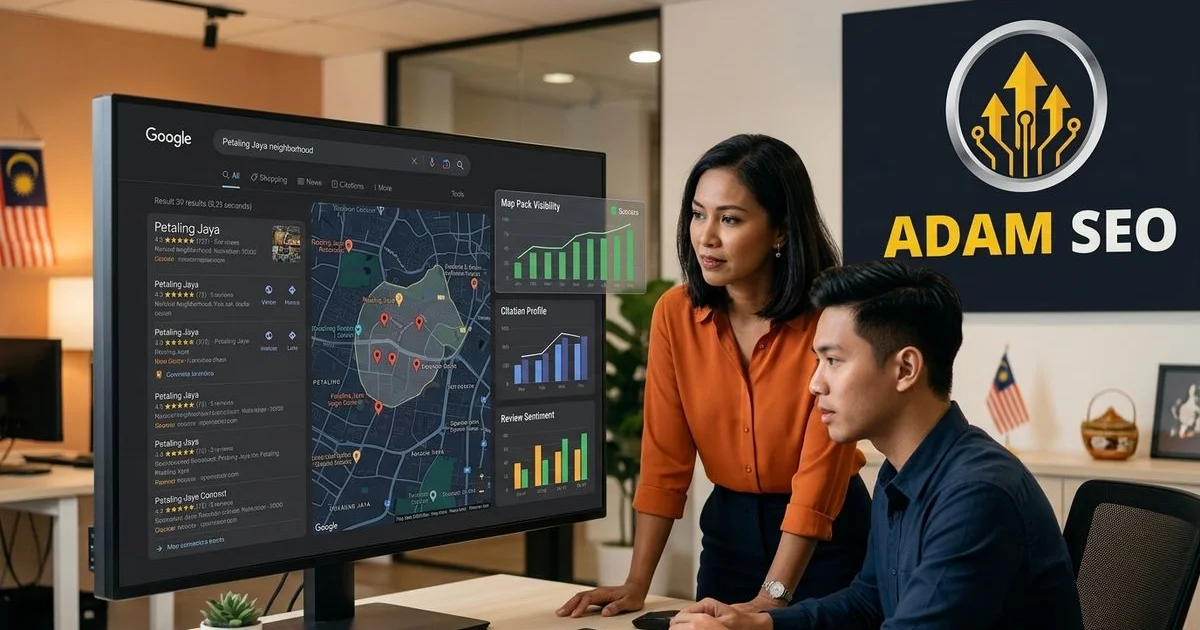
We notice that sudden Google Maps drop-offs cause massive stress for local business owners. The problem is usually fixable if handled methodically. Rushing to make random updates often triggers deeper penalties from Google.
Our data shows that almost 76% of owners never see a suspension coming until their phones stop ringing.
A smart local SEO audit starts here because the exact fix depends heavily on the specific underlying problem. Let’s review the data behind a business not showing in google maps malaysia, determine what it actually tells us, and explore a few practical ways to respond.
The five most common reasons
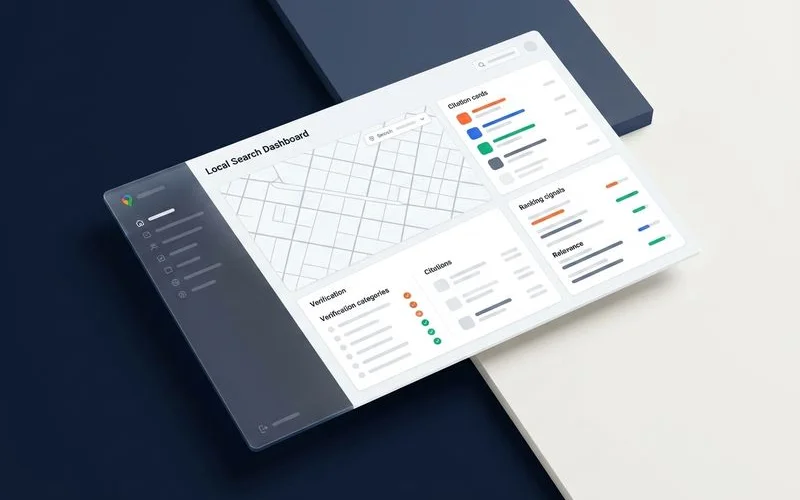
Since Adam Yong founded our agency in 2011, our team has identified profile suspensions, strict video verification failures, category mismatches, algorithm updates, and citation chaos as the top five culprits. These specific issues account for nearly all sudden drops in google maps visibility. Diagnosing the correct one prevents you from making unnecessary changes.
Profile suspensions and verification failures
We see suspensions happen immediately if Google detects keyword stuffing in the business name or policy violations. A suspended profile disappears entirely from Google Maps until a successful appeal is filed. Video verification is now the default method for 2026, replacing the old postcard system.
Our recovery specialists note that many video verifications fail simply because owners lack permanent exterior signage. Google requires a continuous recording that clearly displays several specific elements:
- Street signs and nearby landmarks
- Fixed, permanent business branding
- Proof of access like unlocking the front door
- A functional point-of-sale system
Submitting temporary paper signs will guarantee an instant rejection.
Category and service mismatches
We recommend auditing your primary category because it acts as the single biggest ranking lever for your listing. A business that shifts focus from a general law firm to a specialised personal injury attorney must update its primary category accordingly. A stubborn local pack problem often stems from this one simple category mistake.
Our routine checks often reveal that competitors outrank older businesses simply by choosing a narrower, more accurate category. Services must also match exactly how Malaysian customers type their queries into their phones. Outdated service lists create a massive visibility gap when local search trends shift.
Weak relevance and freshness signals
We treat profile freshness as a critical requirement because the 2026 algorithm heavily rewards active engagement. Going 30 days without uploading new photos or publishing updates places a listing in the danger zone for a ranking drop. The latest Google Maps AI summaries pull directly from three key sources:
- Recent customer reviews
- Business profile posts
- Updated website content
Our clients maintain their map pack positions by publishing at least two updates per month. Maintaining strong proximity signals and on-site optimisation matters just as much as the initial setup. A competitor improving their photo recency can push you down the list even if you did nothing wrong.
Citation inconsistency across directories
We actively clean up outdated addresses and phone numbers across major Malaysian directories to protect local trust signals. Conflicting information on sites like Yelp Malaysia, Cylex Malaysia, or Foursquare confuses the search engine. This confusion directly hurts your proximity relevance and overall map pack rankings.
Our audits frequently uncover mismatched suite numbers or old phone lines that drag down a business profile. Perfect citation consistency establishes the undeniable proof that a business operates exactly where it claims to be. Fixing these discrepancies across local directories creates a stronger foundation for visibility.
Review velocity and response rates
We prioritise a steady flow of reviews over 90 days because it ranks much better than a sudden burst of fifty ratings followed by silence. A sudden drop in review velocity tells the algorithm that customer interest is fading. Leaving questions unanswered or ignoring negative feedback signals poor management to both Google and potential buyers.
Our standard practice involves replying to every single customer comment within 24 hours. Consistent response activity proves that a business is active, attentive, and fully operational. This simple habit strongly reinforces the freshness signals that modern search algorithms demand.
A practical diagnosis sequence
We strongly advise completing a diagnosis in a specific order instead of guessing. Changing multiple variables simultaneously makes it impossible to know what actually fixed the visibility drop. A methodical approach saves time and reduces frustration.
Diagnose in order, not all at once.
Start with verification status. Then check category and services. Then run citation and review consistency checks. Only then look at on-site and competitor changes.
Our team relies on a clean diagnostic sequence because it builds a much stronger support case. If an issue requires escalation to Google, having documented steps proves that basic errors were already ruled out. Clear documentation significantly speeds up the review process for complex reinstatement appeals.
When professional help is worth it
We know that business owners prefer to handle minor updates themselves whenever possible. Routine tasks like correcting opening hours take only a few minutes to complete. Complex issues like multi-location drops or suspensions require specialised analysis to resolve properly.
| Situation | Self-fix vs professional |
|---|---|
| Wrong opening hours | Self-fix in minutes |
| Wrong primary category | Self-fix, but compare with competitors first |
| Profile suspension | Professional support often saves weeks |
| Citation chaos across directories | Professional cleanup is usually faster |
| Multi-location visibility drop | Professional audit recommended |
| Algorithm-driven drop | Professional analysis to isolate the cause |
Our rule of thumb is that if two or more of these situations apply, an audit is the fastest path to recovery. Wasting weeks on a rejected video verification appeal costs far more than hiring an expert. Professional guidance ensures your listing regains its rankings without triggering additional penalties.
Where to go next
We highly recommend reading our guide on what local SEO actually is for deeper context on the local pack itself. This resource explains the specific signals at play behind the scenes. A structured approach is available in the Google Business Profile optimisation checklist.
Our specialists are ready to help if you need to diagnose a current visibility issue.
A location not showing on google maps requires immediate attention. Simply request a discovery review to get started, and the right sequence of fixes will restore your local search traffic.